-
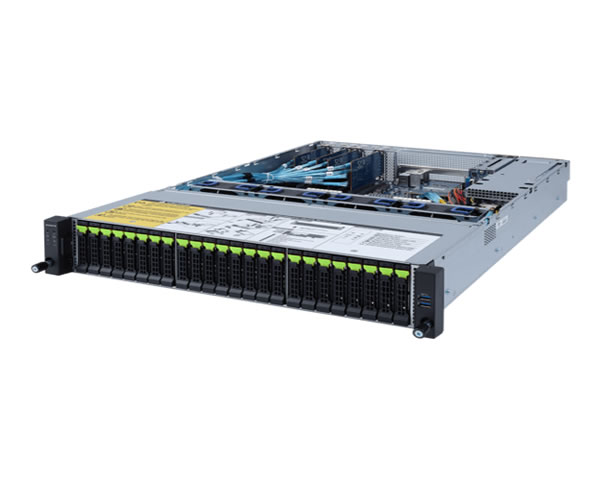
Stimulating Battlefield Korean And Japanese Server Connection Optimization And Delay Improvement Techniques
Connection optimization and latency improvement techniques for servers in Exciting Battlefield Korea and Japan, including practical methods such as network diagnosis, routing and VPN selection, local network and client optimization, monitoring and continuous improvement, to help reduce latency and improve stability. -

How To Set Up A Korean Purchasing Agent Group? Precautions And Risk Control Strategies For Compliance Operations
This article systematically sorts out the precautions and risk control strategies for compliance operation of Korean purchasing agents. It covers practical suggestions such as legal compliance, supply chain, payment and funds, logistics and customs clearance, marketing compliance and customer privacy. It is suitable for reference by purchasing agent operators. -

Analysis Of Korean Rental Server Selection And Protection Configuration From A Security Perspective
Analyzes Korean rental server selection and protection configuration from a security perspective, covering physical and network protection, DDoS and traffic cleaning, access control, encrypted backup, monitoring and compliance recommendations to help decision-making and deployment. -

How To Evaluate The Role Of Servers In South Korea And The United States In Disaster Recovery Plans
This article introduces how to evaluate the role of servers in South Korea and the United States in disaster recovery plans, covering key elements such as geographical distribution, latency and bandwidth, compliance and data sovereignty, availability and redundancy design, operation, maintenance and testing, etc., to help develop a reliable cross-border disaster recovery strategy. -
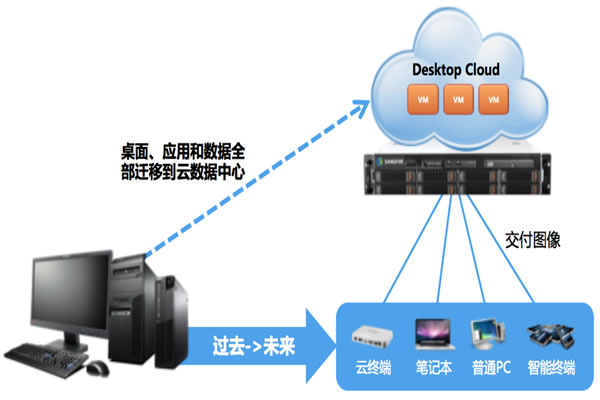
Configuration Examples Of How To Set Korean Native IP On Different Systems And Routers
It explains in detail how to set up Korean native IP configuration examples on Windows, macOS, Linux, mobile devices and common routers, covering methods such as VPN, WireGuard, proxy and routing offloading, and gives optimization and troubleshooting suggestions, emphasizing compliance and stability. -

Free Server Korea Security Protection Policy And Backup Implementation Guide
A free server security protection and backup implementation guide for South Korea or serving Korean users, covering practical strategies and operational recommendations for hardening, access control, intrusion detection, and backup recovery. -

Cost And Operation Management Recommendations For Enterprises Deploying Korean CN2 Site Cluster Cloud Servers
This article provides enterprises with cost composition and operation management advice for deploying Korean CN2 site cluster cloud services, covering key points for bandwidth, server, compliance, monitoring, automation, and GEO/SEO optimization to assist decision-making and implementation. -
Korean CN2 Network Cloud Service Product Selection Guide Performance, Security, And Scalability Evaluation
This guide focuses on selecting cloud service products for the Korean CN2 network site cluster, systematically evaluating performance, network, security, and scalability, providing practical testing metrics and deployment recommendations to meet SEO and GEO optimization needs. -

Free Traffic Test: Comparing And Analyzing The Actual Performance Of Free Servers In Korea
Based on actual free traffic tests, it analyzes the latency, bandwidth, packet loss, and stability performance of free servers in South Korea, providing deployment and optimization recommendations suitable for SEO and localization decisions.